AUPWIT Wraps Up ALUMINIUM 2026 in Düsseldorf
13 October, 2026


Metal scrap from machining operations is not just a disposal problem. It is a revenue leak. Every barrel of oily, tangled chips you send to a recycler at a discount represents lost coolant, lost scrap value, and wasted handling labor.
A metal chip processing line changes that equation. By integrating shredding, fluid separation, and briquetting into a single automated system, it converts messy waste into clean, dry briquettes that command better prices, while returning recovered coolant back to your machines.
This guide covers what a metal chip processing line is, the equipment that makes it work, how the process flows, and how to select the right system for your operation.
A metal chip processing line is an integrated system that converts machining scrap into clean, dry, high-value briquettes. Rather than treating each piece of equipment as a standalone purchase, an integrated line connects conveyors, shredders, chip wringers, and briquetters into one engineered system.
The goal is continuous, automated flow: chips and fluid move from the machine to final disposition without manual intervention. This eliminates forklifts, barrels, and manual handling.
Now that we have covered what a processing line is and why it matters, let us look at the equipment that makes it work. A complete line typically includes several modules, each handling a specific stage.
Chips are collected from machining centers and moved to the processing line via conveyors. Common types include steel belt conveyors, pivot belt conveyors, and screw conveyors. A hydraulic cart dumper allows safe transfer from carts into the feed hopper, and a grate bar assembly separates tramp metal to protect downstream equipment.
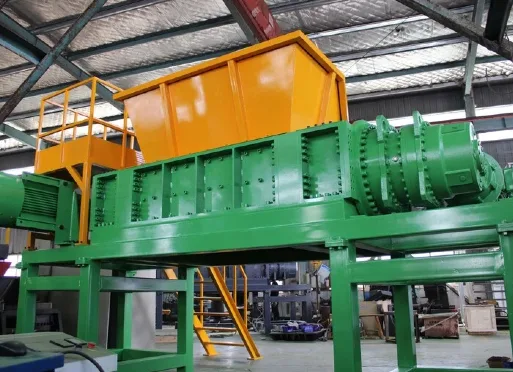
Long, stringy turnings can wrap around augers and clog hoppers. A shredder or crusher breaks them into uniform, flowable pieces. Shredders are available for various metal types: steel, stainless steel, aluminum, and brass.
This is where the value recovery happens. A chip wringer or centrifuge spins chips at high speed to extract cutting fluid. A sealed recovery tank captures the extracted fluid for reclamation. Collecting and recycling coolant can translate into significant annual savings.
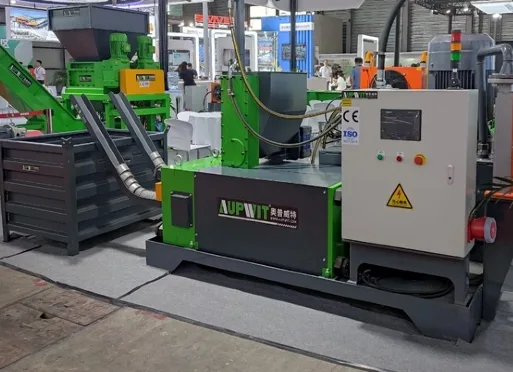
With the fluid removed, dried chips move to the briquetting stage. A briquetting press compresses them into dense, solid pucks that are easy to transport and ready for furnace charging or direct sale to recyclers.
The final stage moves processed scrap to its destination. A weigh belt meters the output, and a drag conveyor fills containers or trailers for shipment.
Having covered the individual components, let us now walk through how they work together as a complete system. The sequence runs from chip generation to finished briquettes, with each stage feeding the next.

One of the smartest features of an integrated line is that it closes the loop. Recovered cutting fluid is filtered and returned to the machining operation. This creates a system that maximizes resource recovery and minimizes environmental impact, with uninterrupted flow from generation to processing to recycling.
The choice of a processing line depends on three key variables: scrap volume, metal type, and fluid content. Let us walk through each one.
Volume is the first thing to consider. Low-volume operations may be well served by simpler configurations. High-volume, multi-shift operations require equipment built for continuous running.
Metal type drives chip behavior and processing requirements. Aluminum chips respond well to briquetting. Steel and cast iron turnings, which tend to be stringy, require shredding or crushing first. Modular systems can handle mixed streams without manual intervention.
High fluid content calls for maximum-extraction equipment such as wringers and centrifuges. When paired with a coolant recycling system, recovered fluid is returned clean to your machining operation.
Space is almost always tight in manufacturing facilities. Compact systems are available with small footprints, and modular, skid-mounted units can be installed quickly with minimal disruption.
Most well-designed chip processing systems pay for themselves within a reasonable timeframe. The return comes from three streams at once: lower disposal costs, recovered coolant, and higher scrap prices.
If your processing equipment keeps breaking down, you end up with unplanned downtime, scrap piles, and disrupted workflows. A well-engineered line uses heavy-duty industrial components and continuous operation design to minimize failures.
Metal chips soaked in oil cannot go straight to a recycler. They are often classified as hazardous waste, driving up disposal costs. Fluid separation converts this waste from a cost center into a recoverable resource.
Existing equipment often fails to meet tightening environmental standards. A closed-loop system with zero wastewater discharge tackles both issues: it keeps you compliant and recovers value from your waste stream.
Now let us talk about what we offer at Aupwit. We have been manufacturing hydraulic equipment since 2008, with a focus on briquetting presses, metal balers, shredders, and shears. Our metal chip processing system solutions are designed to help machining operations turn waste into revenue.
Aupwit provides complete metal chip processing system design and supply, tailored to each customer’s material type, volume, and plant layout. From chip collection to briquette load-out, we engineer end-to-end solutions that maximize recovery and minimize manual handling.
Learn more: https://www.aupwit.com/solutions/metal-chip-processing-system/
So, what does this mean for your operation? A metal chip processing line transforms waste into value through a coordinated sequence of size reduction, fluid recovery, and briquetting. The benefits are substantial: significant volume reduction, high fluid recovery, and increased scrap value from cleaner, denser briquettes.
Choosing the right system depends on your scrap volume, metal type, fluid content, available space, and budget. But the core principle remains the same: unprocessed chips are a cost; processed chips are a resource.
Contact us to discuss your requirements; we will recommend the most practical equipment layout for your shop floor.


This website uses cookies to improve your experience while you navigate through the website. Out of these, the cookies that are categorized as necessary are stored on your browser as they are essential for the working of basic functionalities of the website.
We also use third-party cookies that help us analyze and understand how you use this website. These cookies will be stored in your browser only with your consent. You also have the option to opt-out of these cookies. But opting out of some of these cookies may affect your browsing experience.